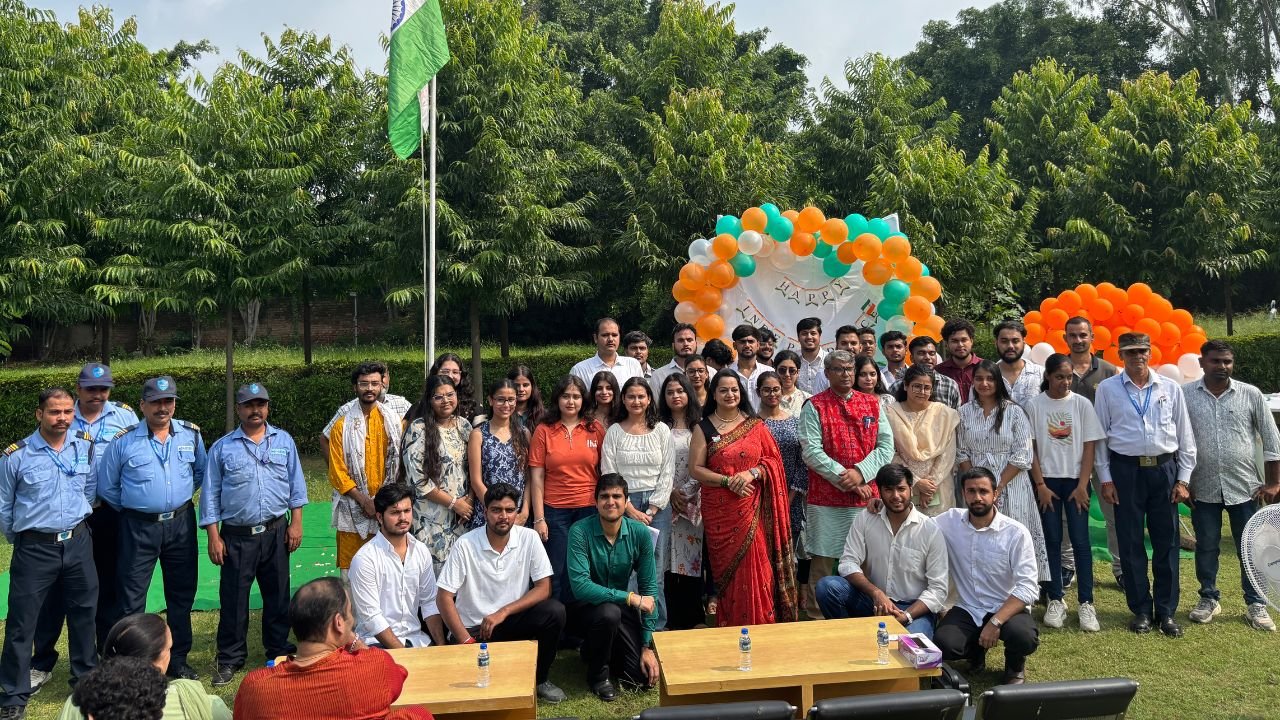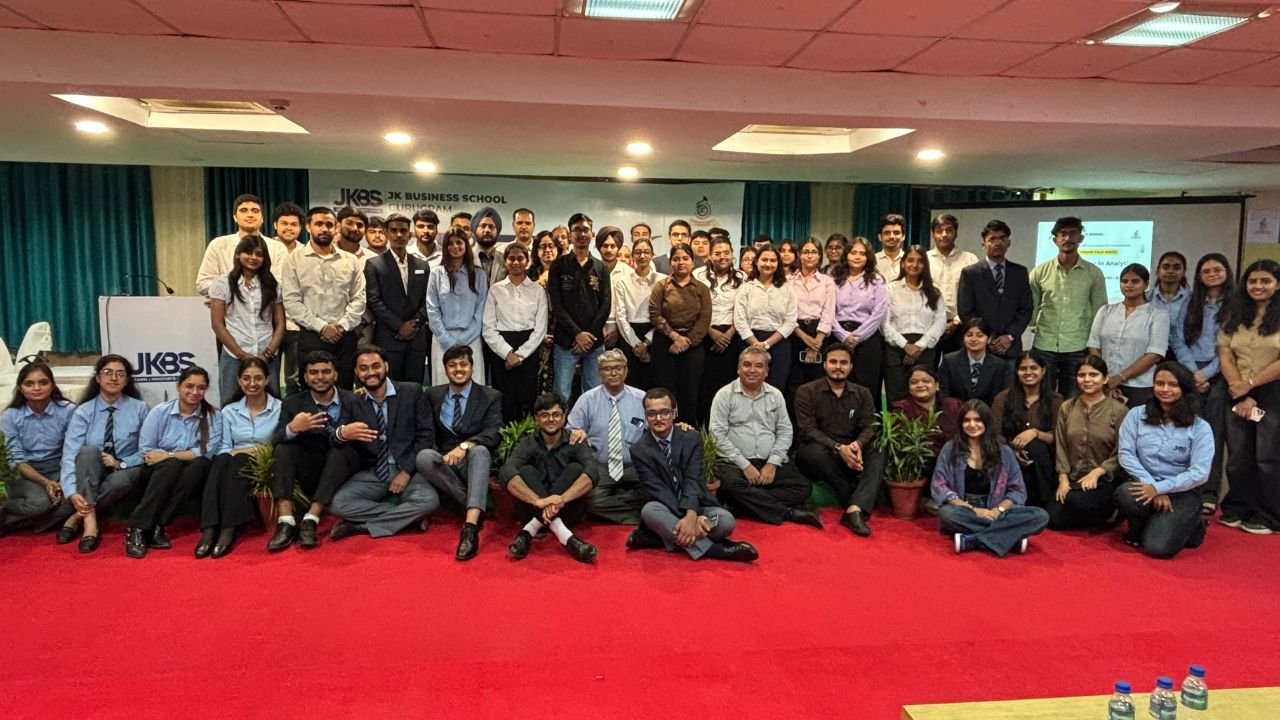
When comparing PGDM Colleges with Industry Tie-Ups, you’ll notice that almost every B-school brochure highlights corporate partnerships. However, the term covers a wide range of actual value—from a one-time guest lecture to a structured internship pipeline with guaranteed interview opportunities. For a prospective PGDM student, the real question isn’t whether a college has industry tie-ups, but what those partnerships actually deliver: live projects, internships, industry certifications, or direct recruiter access.
This guide explains what genuine industry tie-ups should include and why PGDM Colleges with Industry Tie-Ups in Gurugram are better positioned to deliver meaningful corporate exposure than colleges located elsewhere in NCR.
What “Industry Tie-Up” Should Actually Mean
Before comparing colleges, it’s worth being specific about what counts as a meaningful tie-up versus a marketing line:
- Structured internship pipelines — a formal arrangement where a company regularly takes interns from a specific college, rather than a one-off placement
- Recruiter participation in placements — companies that show up year after year to hire, not just appear once in a press release
- Industry certifications — credentials issued by recognized bodies that sit on top of the core AICTE-approved curriculum
- Guest faculty and live projects — current industry professionals teaching modules or supervising real business problems, not just delivering a single talk
A college that can demonstrate all four is offering something fundamentally different from one that can only point to a logo wall.
Why Gurugram-Based Colleges Have an Edge Here
Tie-ups aren’t conjured by a placement office — they’re built on proximity and repeat trust. A company is far more likely to commit to a recurring internship pipeline or send recruiters every season if the college is a short drive from its office. This is precisely why Gurugram’s corporate density — over 250 Fortune 500 offices and roughly 23,500 companies across corridors like DLF Cyber City and Udyog Vihar — translates into deeper, more durable tie-ups for colleges based there compared to institutes further from the city’s business districts.
JK Business School (JKBS): A Case Study in What This Looks Like in Practice
JKBS, an AICTE-approved institution in Gurugram, illustrates what substantive industry tie-ups deliver when they’re backed by genuine recruiter relationships rather than one-time engagements:
300+ recruiters engage with the campus, spanning consulting, FMCG, and manufacturing — including KPMG, Nestlé, Daikin, Deloitte, Genpact, and ITC. This breadth matters because it means students across different specializations — finance, marketing, operations — all have realistic access to relevant recruiters, rather than the placement outcome depending on a narrow set of companies.
100% internship placement, with students placed at companies including Nestlé, Genpact, and ITC. An internship tie-up that places every student, rather than a select few, signals a structured pipeline rather than ad hoc arrangements.
Industry certifications through ISDC and IOA, layered onto the core PGDM curriculum. These give students credentials recruiters recognize independently of the degree itself — a direct, practical benefit of the kind of industry partnership that goes beyond guest lectures.
A 100% placement record with an average package of ₹9 LPA and a highest package of ₹24 LPA — the actual outcome that all of the above tie-ups are meant to produce.
Faculty averaging 20+ years of combined corporate and academic experience. Genuine industry tie-ups extend to who teaches, not just who recruits — faculty with deep, recent corporate backgrounds bring live industry context into the classroom rather than relying solely on textbook frameworks.
What to Ask When Evaluating Any College’s “Tie-Ups”
When comparing PGDM colleges on this criterion, it’s worth asking pointed questions rather than accepting a list of company logos at face value:
- How many of these companies actually recruited last year, versus just being listed?
- What percentage of students get placed into internships, not just offered the opportunity to apply?
- Are certifications issued by recognized, named bodies (like ISDC or IOA), or generic in-house ones?
- Does the college disclose average and highest package figures, or only the headline number?
- Is the placement rate itself disclosed as a percentage, or implied through anecdote?
A college that answers these clearly — the way JKBS does with its 100% placement rate, 300+ recruiters, and named certification partners — is offering verifiable substance rather than brochure language.
Why This Matters More in Gurugram Specifically
Because Gurugram’s employer base spans consulting, BFSI, FMCG, and a growing GCC presence for companies like Microsoft and JPMorgan Chase, colleges based there have access to a wider range of tie-up types than colleges in less corporate-dense locations. A Gurugram PGDM student isn’t limited to internships with one sector — the city’s diversity of major employers means a finance-focused student and a marketing-focused student can both find relevant industry tie-ups within the same campus ecosystem.
This is the same underlying advantage explored in our comparison of PGDM colleges in Gurugram vs Noida vs Ghaziabad — proximity drives partnership depth, and Gurugram’s corporate density gives its PGDM colleges more raw material to build real tie-ups from.
Frequently Asked Questions
What counts as a genuine industry tie-up for a PGDM college?
A meaningful tie-up includes structured internship pipelines, recurring recruiter participation in placements, recognized industry certifications, and live faculty or project involvement from current industry professionals — not just a list of company names in a brochure.
Which companies recruit from JKBS?
JKBS has engaged 300+ recruiters, including KPMG, Nestlé, Daikin, Deloitte, Genpact, and ITC, across consulting, FMCG, and manufacturing sectors.
Does JKBS offer industry certifications alongside the PGDM?
Yes. JKBS offers certifications through ISDC and IOA in addition to its AICTE-approved PGDM curriculum.
Why do Gurugram colleges tend to have stronger industry tie-ups?
Gurugram’s high corporate density — over 250 Fortune 500 offices and tens of thousands of companies — means companies are more willing to commit to recurring internship and recruitment partnerships with colleges located nearby, due to lower logistical cost and easier in-person engagement.