In the evolving world of business and management, classroom learning alone is no longer enough to prepare students for professional success. Organizations today expect graduates to be ready for real world challenges from day one. They look for individuals who not only understand business theories but can also apply them effectively in dynamic and complex environments.
This is where industry exposure becomes essential.
Industry exposure bridges the gap between theoretical knowledge and practical application. It enables students to understand how businesses operate, how decisions are made, and how strategies are implemented in real time.
At JK Business School, Gurugram, industry exposure is not treated as an additional activity. It is an integral part of the learning experience that helps students become industry ready professionals.
What Is Industry Exposure in Management Education
Industry exposure refers to the interaction of students with real business environments through activities such as internships, live projects, corporate interactions, guest lectures, and industry visits.
It allows students to move beyond textbooks and gain insights into how organizations function in practice.
Instead of learning concepts in isolation, students see how these concepts are applied in real situations.
For example:
A marketing strategy becomes more meaningful when students observe how companies run campaigns.
Financial concepts gain clarity when students see how organizations manage investments and budgets.
Operations management becomes practical when students understand supply chain processes and logistics challenges.
Industry exposure transforms learning from theoretical understanding to practical knowledge.
Why Industry Exposure Matters More Than Ever
The business landscape has changed significantly in recent years. Technology, globalization, and evolving consumer behavior have created a dynamic environment where adaptability is crucial.
Employers now prioritize candidates who possess practical understanding and professional awareness.
Industry exposure plays a critical role in meeting these expectations.
Bridging the Theory Practice Gap
One of the biggest challenges in management education is ensuring that students can apply what they learn.
Industry exposure helps students connect classroom concepts with real world applications, making learning more relevant and impactful.
Enhancing Employability
Students who have practical experience are more confident during recruitment processes.
They can discuss real projects, demonstrate problem solving abilities, and showcase their understanding of business environments.
Building Professional Awareness
Exposure to industry helps students understand workplace culture, expectations, and professional behavior.
This awareness makes the transition from campus to corporate life smoother.
Internships: The First Step into the Corporate World
Internships are one of the most important components of industry exposure.
They provide students with the opportunity to work with organizations, observe business processes, and contribute to real projects.
During internships, students:
- gain hands on experience
- learn how teams operate
- understand organizational structures
- develop professional communication skills
Internships also help students explore different industries and identify career paths that align with their interests.
Many organizations use internships as a way to identify potential employees, making them an important step toward full time employment.
Live Projects and Real Business Challenges
Live projects allow students to work on actual business problems faced by companies.
These projects require students to analyze situations, conduct research, and propose solutions.
Working on live projects helps students:
- develop critical thinking
- apply analytical tools
- understand market dynamics
- improve decision making skills
Unlike theoretical assignments, live projects expose students to the complexities and uncertainties of real business environments.
Corporate Interaction and Guest Lectures
Interaction with industry professionals provides valuable insights that cannot be found in textbooks.
Guest lectures, seminars, and leadership sessions allow students to learn from experienced professionals who share real world experiences.
These interactions help students understand:
- current industry trends
- challenges faced by organizations
- career opportunities in different sectors
- expectations from management graduates
At JK Business School, regular corporate interaction ensures that students remain connected with industry developments.
Industry Visits and Experiential Learning
Industry visits provide students with direct exposure to business operations.
By visiting manufacturing units, corporate offices, and service organizations, students observe how different functions work together.
This experiential learning approach helps students understand processes, workflows, and operational challenges.
Seeing real environments enhances learning and makes theoretical concepts more relatable.
Developing Key Skills Through Industry Exposure
Industry exposure contributes to the development of several essential skills.
Communication Skills
Interacting with professionals and working on projects improves students’ ability to communicate ideas clearly and confidently.
Teamwork and Collaboration
Working in teams during internships and projects helps students understand the importance of collaboration.
Problem Solving Ability
Real business challenges require creative and practical solutions, helping students develop strong problem solving skills.
Leadership Skills
Managing responsibilities during projects and internships builds leadership qualities and decision making abilities.
Adaptability
Exposure to dynamic environments helps students become flexible and responsive to change.
The Role of Industry Exposure in Career Clarity
Many students begin their MBA journey without a clear understanding of which career path to pursue.
Industry exposure helps them explore different roles and industries.
Through internships and projects, students gain insights into:
- marketing functions
- finance roles
- operations management
- analytics driven decision making
This experience allows them to make informed decisions about their specialization and career direction.
Networking Opportunities
Industry exposure also provides opportunities to build professional networks.
Students interact with industry professionals, mentors, and alumni who can guide them in their careers.
Networking helps students:
- gain industry insights
- learn from experienced professionals
- explore job opportunities
- build long term professional relationships
These connections often play a significant role in career growth.
Industry Exposure and Placement Success
Placement success is closely linked to the level of industry exposure students receive during their MBA.
Employers prefer candidates who have practical experience and understand business environments.
Students with industry exposure:
- perform better in interviews
- demonstrate confidence
- showcase real project experience
- understand corporate expectations
This makes them more attractive to recruiters.
At JK Business School, the Corporate Resource Centre plays an important role in connecting students with industry opportunities and preparing them for placements.
The JK Business School Approach to Industry Exposure
At JK Business School, Gurugram, industry exposure is deeply integrated into the academic framework.
The institution focuses on creating a learning environment where students gain both theoretical knowledge and practical experience.
Key elements include:
- internships with leading organizations
- live business projects
- corporate interaction sessions
- industry visits
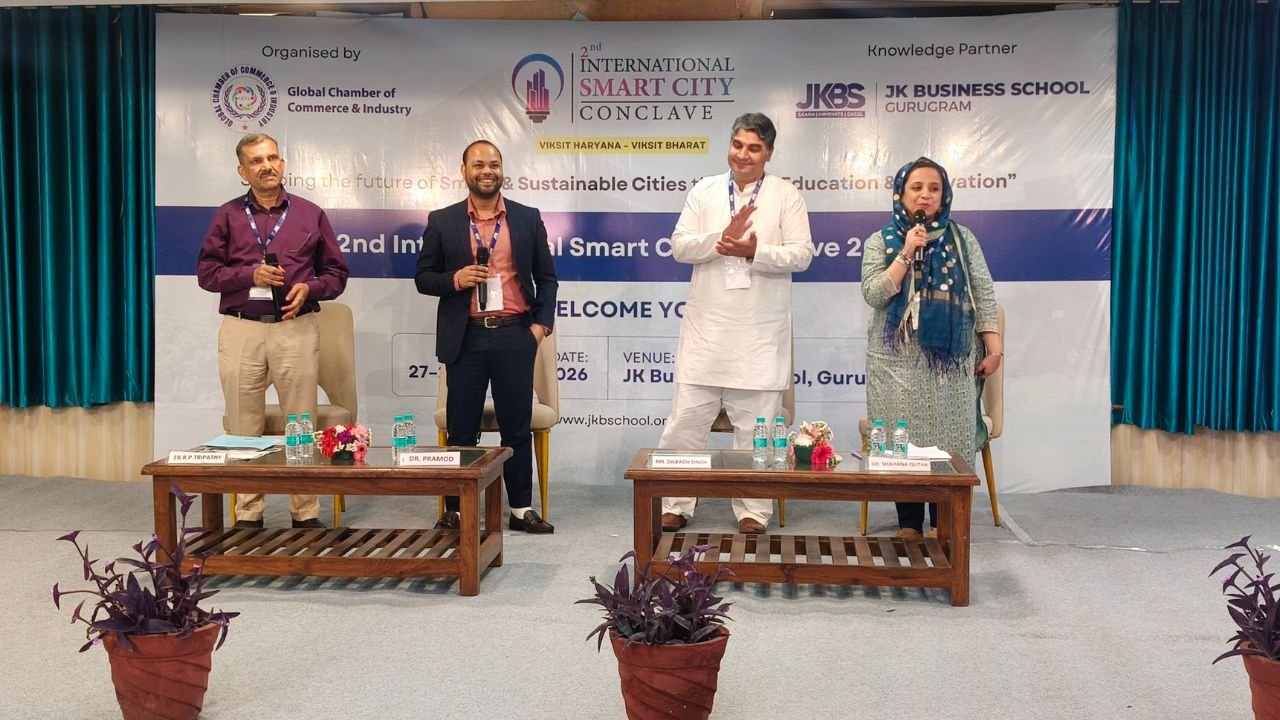
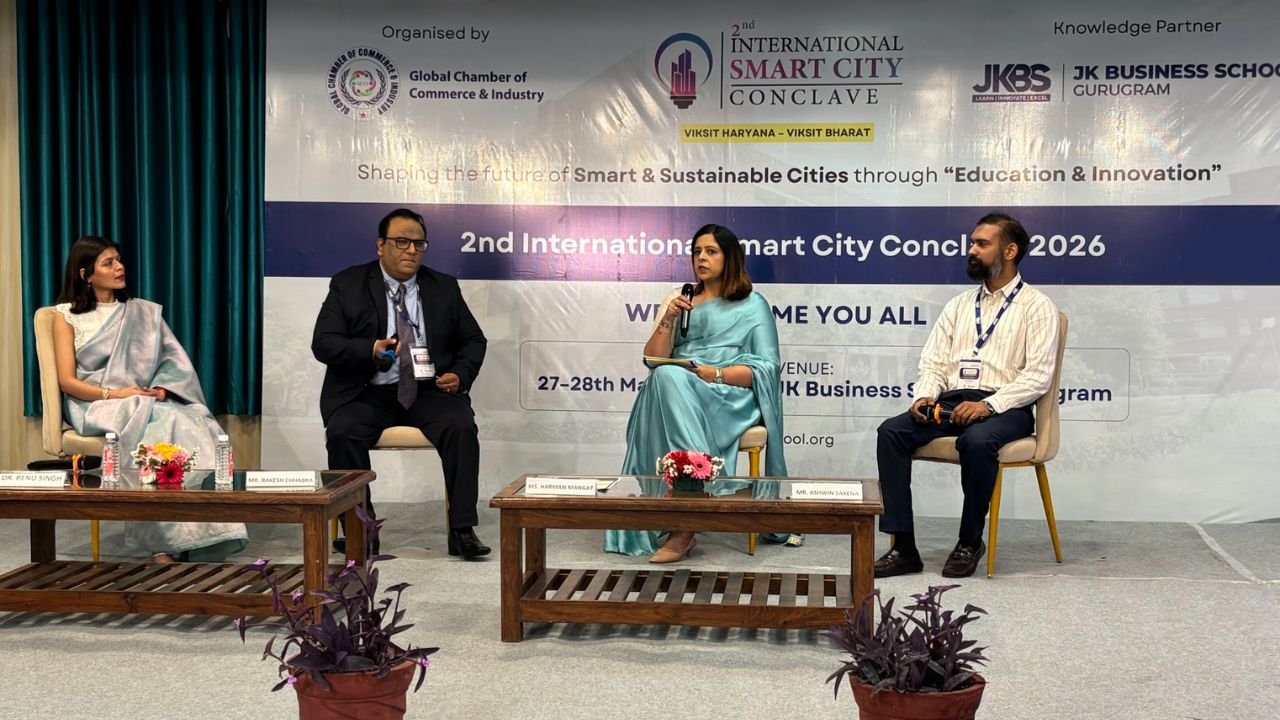
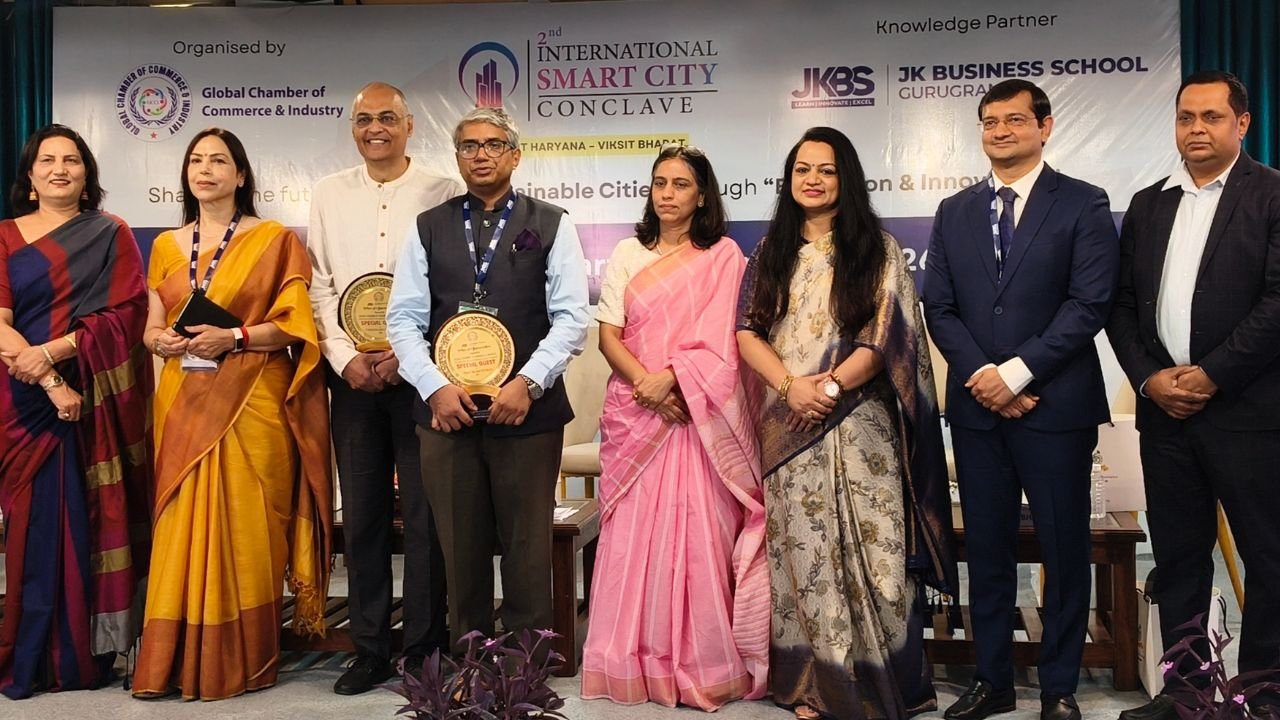
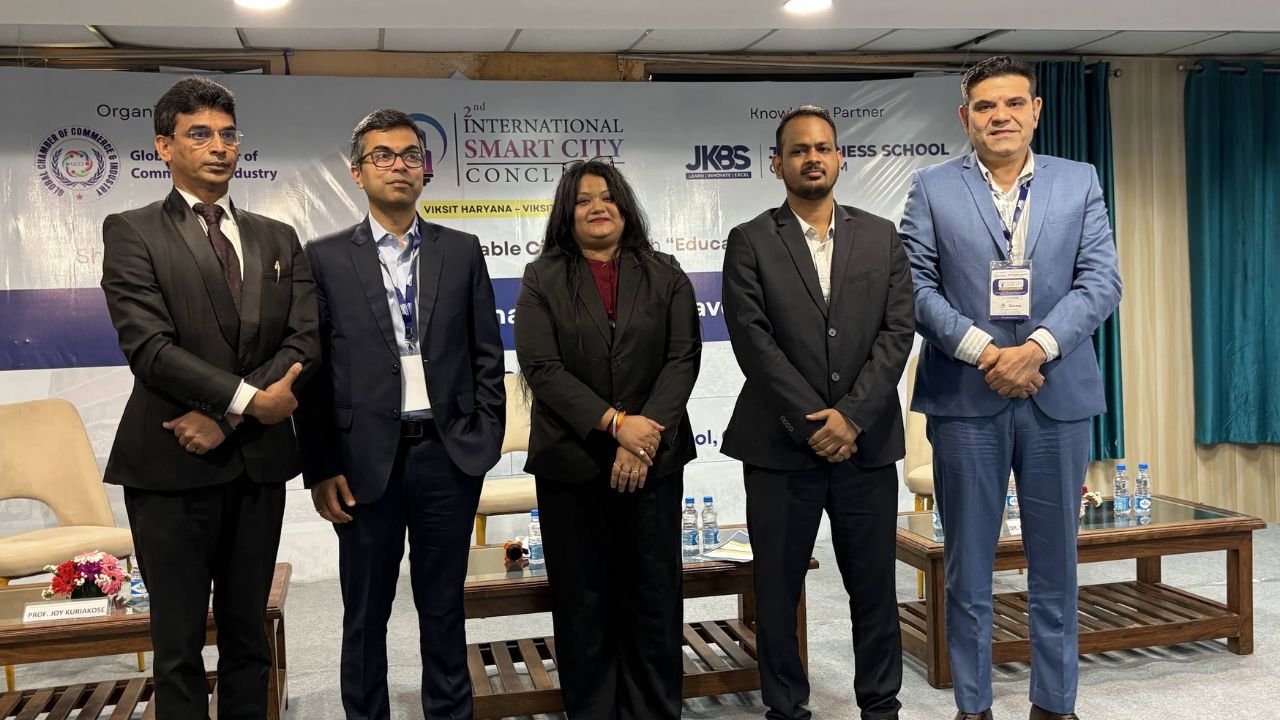
- leadership conclaves and events
This approach ensures that students develop a strong understanding of business practices and are prepared for real world challenges.
Preparing Students for the Future
As industries continue to evolve, the importance of industry exposure will only increase.
Future business leaders must be able to:
- analyze complex situations
- adapt to changing environments
- make informed decisions
- lead diverse teams
Industry exposure helps students develop these capabilities.
It prepares them not just for their first job but for long term career success.
Industry exposure is the backbone of MBA success because it transforms learning into action.
It helps students move beyond theoretical knowledge and develop practical skills that are essential for professional growth.
From internships and live projects to corporate interaction and networking, industry exposure provides the foundation for building successful careers in management.
At JK Business School, Gurugram, this approach ensures that students are not only academically strong but also industry ready, confident, and capable of contributing to the dynamic world of business.