In today’s highly competitive business environment, organizations expect graduates to be ready for the workplace from the very first day. While academic knowledge provides the foundation of management education, practical exposure to real business environments plays an equally important role in shaping successful careers.
MBA and PGDM programs are no longer limited to classroom lectures and theoretical discussions. Modern management education emphasizes experiential learning through internships, live projects, corporate interaction, and industry engagement.
Industry exposure allows students to understand how businesses operate in real environments. It bridges the gap between academic knowledge and practical application, helping students develop the skills required to succeed in professional roles.
At JK Business School, Gurugram, industry exposure is considered a core component of management education. By integrating real world business experiences into the academic journey, the institution ensures that students graduate with both knowledge and practical capabilities needed to thrive in the corporate world.
Why Industry Exposure Matters in Management Education
Management education aims to prepare students for leadership roles in organizations. To achieve this objective, students must understand how business concepts are applied in real scenarios.
Industry exposure provides this understanding by allowing students to interact with professionals, observe business operations, and participate in real projects.
When students engage with industry environments, they gain insights into several aspects of business operations.
They learn how companies make strategic decisions, manage teams, develop products, and compete in global markets.
This exposure helps students develop practical knowledge that cannot always be gained through textbooks alone.
Bridging the Gap Between Theory and Practice
One of the biggest challenges in management education is ensuring that theoretical knowledge translates into practical competence.
Classroom learning introduces students to important frameworks such as marketing strategies, financial analysis, operations management, and organizational behavior. However, real business situations are often more complex and dynamic than theoretical models suggest.
Industry exposure allows students to apply these frameworks to real challenges.
For example, a marketing concept discussed in class becomes more meaningful when students observe how companies analyze consumer behavior, launch campaigns, and evaluate market responses.
Similarly, finance concepts become clearer when students understand how organizations manage budgets, evaluate investments, and assess financial risks.
By connecting theory with practice, industry exposure enhances learning outcomes and prepares students for professional responsibilities.
Internships: A Gateway to Professional Experience
Internships are one of the most valuable forms of industry exposure in MBA programs.
During internships, students work with organizations for a defined period and gain hands on experience in business operations.
Internships allow students to observe workplace culture, collaborate with professionals, and contribute to real business projects.
This experience helps them develop essential skills such as communication, teamwork, and problem solving.
Internships also provide students with an opportunity to explore different industries and identify career paths that align with their interests.
Many organizations use internship programs as a recruitment pipeline, offering full time roles to students who demonstrate strong performance during their internships.
Corporate Interaction and Guest Lectures
Another important aspect of industry exposure is direct interaction with industry leaders and professionals.
Guest lectures, leadership talks, and corporate seminars allow students to learn from individuals who have extensive experience in business and management.
These sessions provide valuable insights into industry trends, challenges, and opportunities.
Students also gain practical knowledge about leadership, innovation, and strategic decision making.
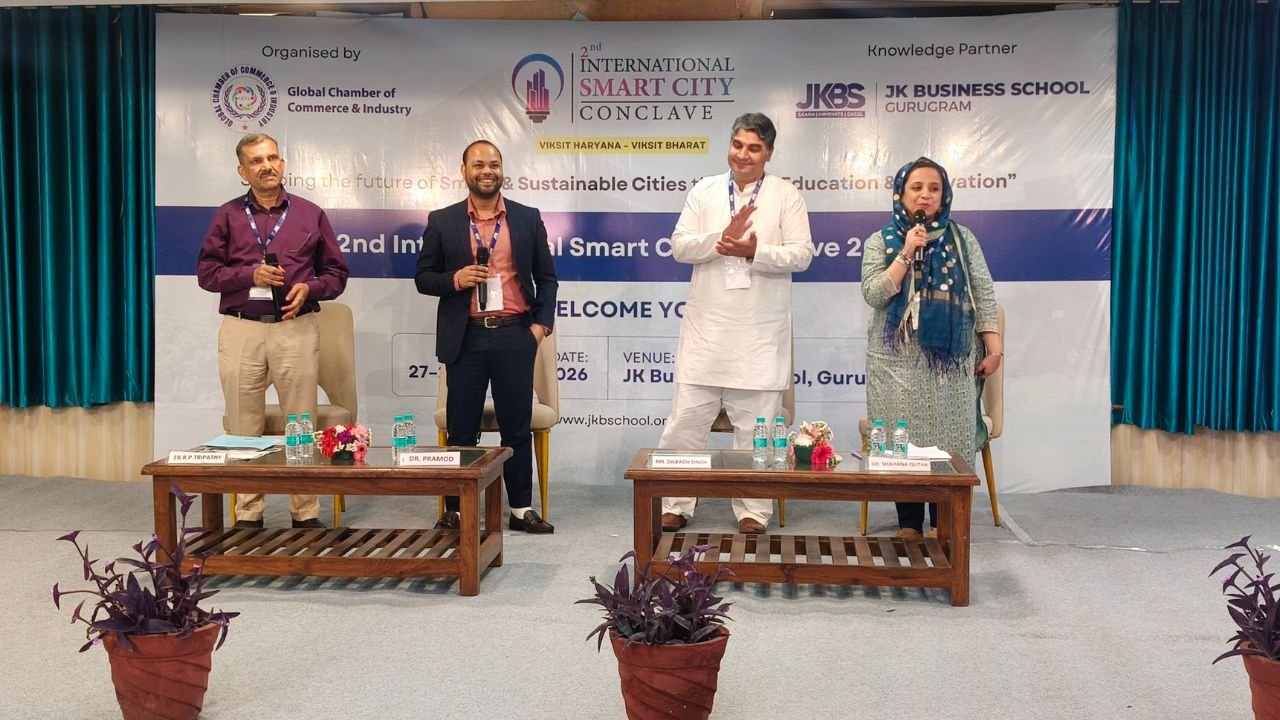
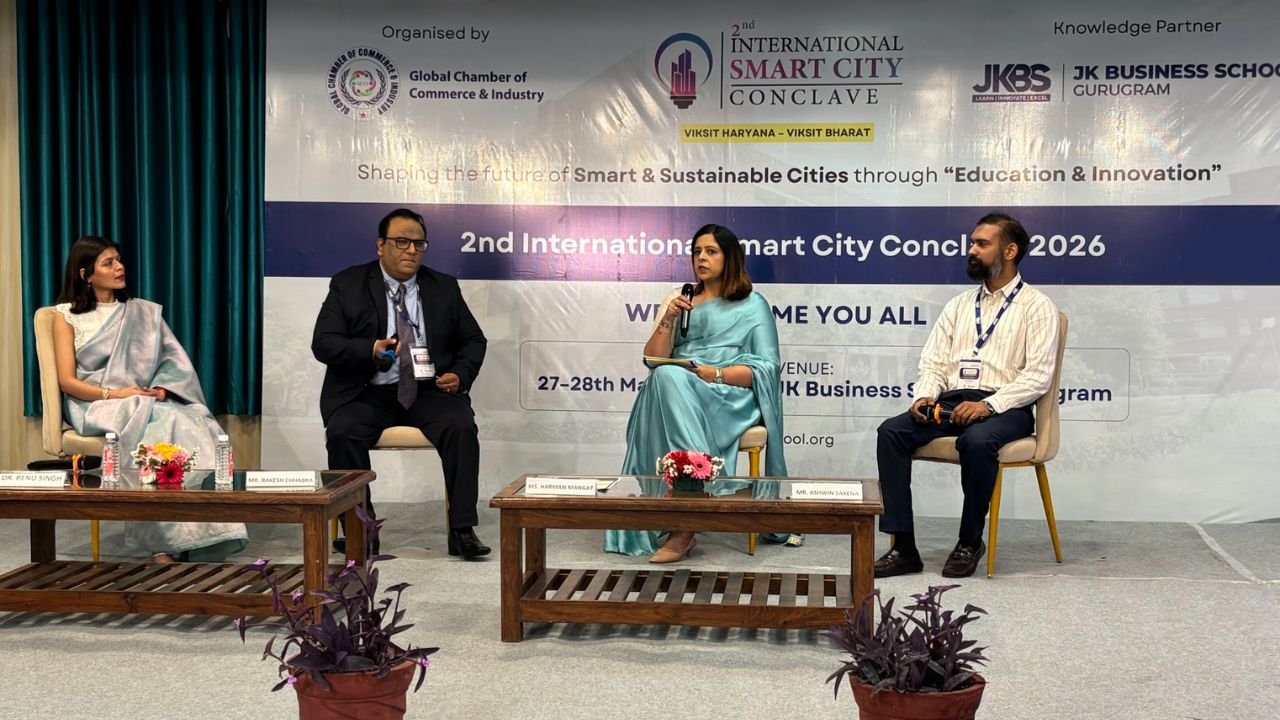
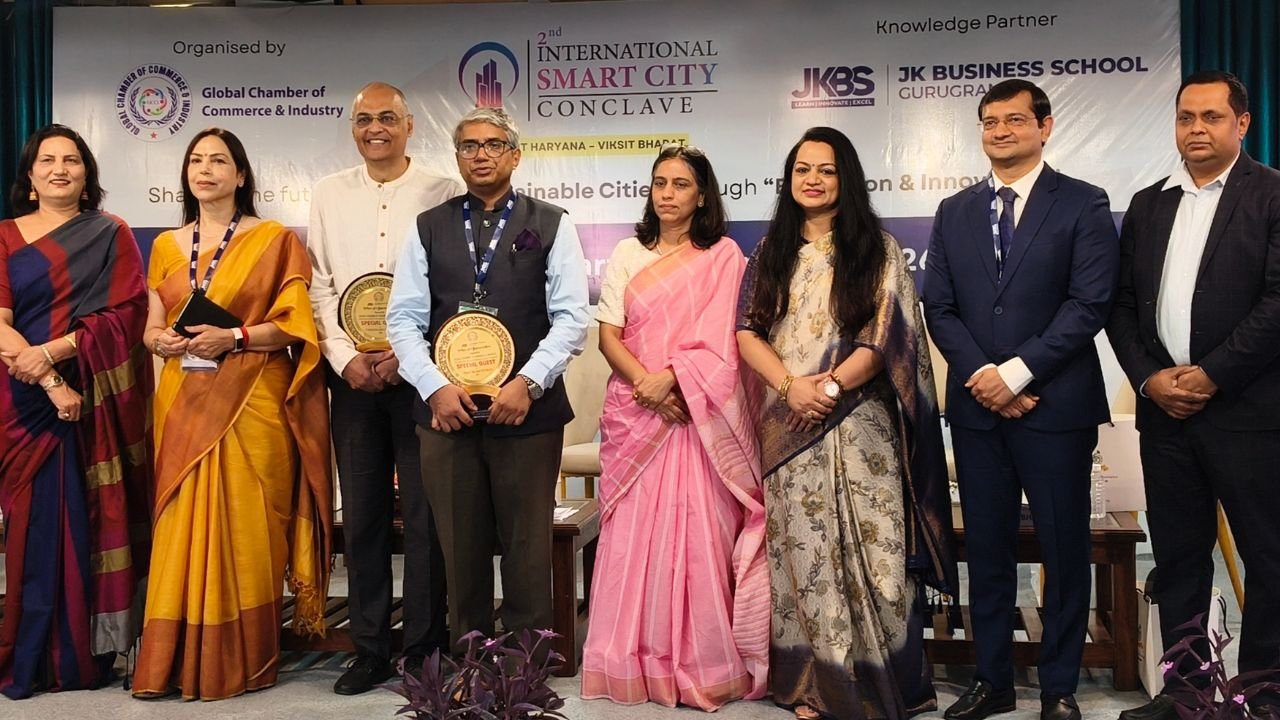
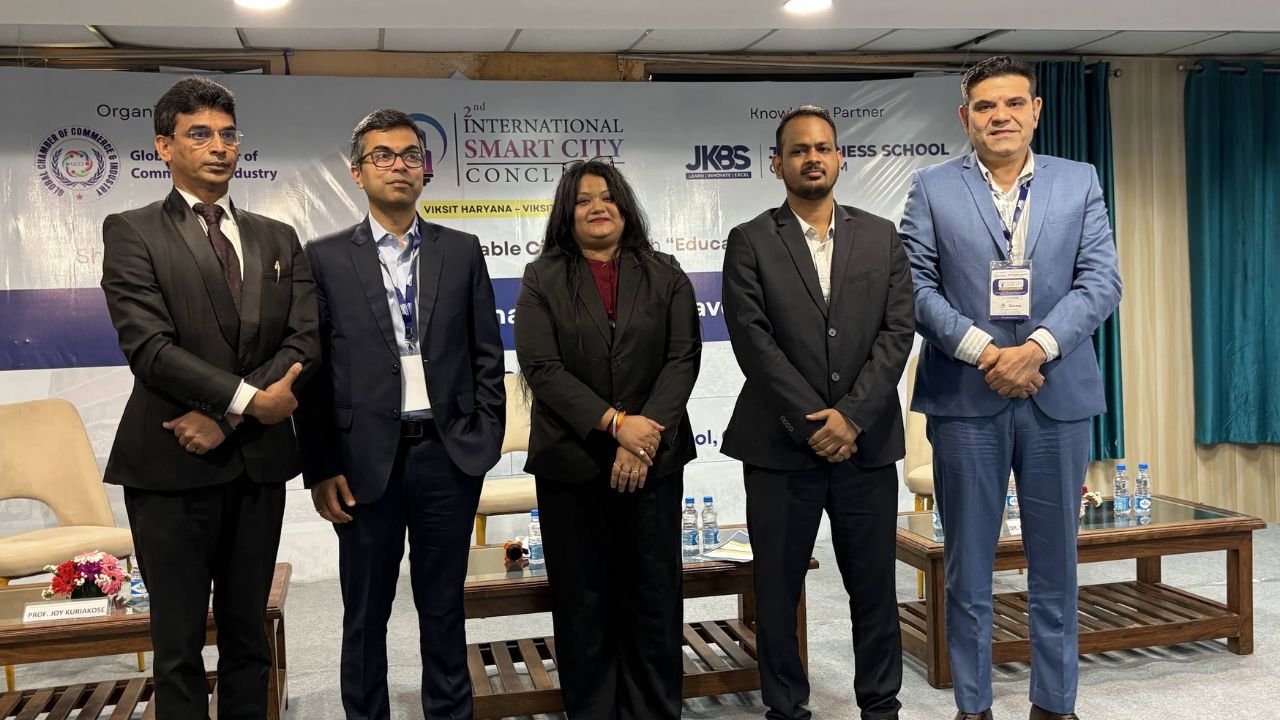
At JK Business School, industry leaders regularly interact with students through conferences, guest lectures, and corporate events. These interactions help students understand how business strategies are implemented in real organizations.
Live Projects and Experiential Learning
Live projects provide students with the opportunity to work on real business problems faced by organizations.
In these projects, students analyze business challenges, conduct research, and propose solutions that help companies improve their operations or strategies.
Live projects simulate real consulting environments and allow students to apply analytical tools and business frameworks to practical situations.
Through these experiences, students develop critical thinking abilities, problem solving skills, and strategic insights.
Experiential learning methods such as case studies, simulations, and industry projects enhance the overall learning experience and help students develop professional confidence.
Developing Professional Networks
Industry exposure also helps students build valuable professional networks.
Networking plays an important role in career development because it connects students with industry professionals, alumni, mentors, and recruiters.
Through corporate events, internships, and leadership interactions, students establish relationships that can support their long term career growth.
Professional networks often lead to mentorship opportunities, industry insights, and potential job placements.
At JK Business School, the Corporate Resource Centre actively facilitates connections between students and industry professionals to support career development.
Building Career Ready Skills
Industry exposure contributes to the development of several key skills that employers value in MBA graduates.
These skills include:
Communication Skills
Professional communication is essential in corporate environments. Students learn how to present ideas clearly, collaborate with colleagues, and engage with clients.
Leadership Abilities
Industry interaction exposes students to real leadership styles and organizational practices. This helps them understand how leaders motivate teams and manage challenges.
Analytical Thinking
Working on business projects and case studies improves students’ ability to analyze complex problems and develop effective solutions.
Adaptability
Corporate environments are dynamic and constantly evolving. Industry exposure helps students develop the flexibility needed to adapt to changing business conditions.
Students can further explore how leadership and communication abilities influence professional success through the article on soft skills that define successful MBA graduates.
Technology and Industry Exposure
Technology plays an increasingly important role in modern business operations. As organizations adopt digital tools and advanced technologies, management professionals must understand how these innovations influence business strategies.
MBA programs therefore integrate technology related topics into their curriculum.
Students are exposed to areas such as data analytics, digital marketing, and artificial intelligence applications in business.
These subjects prepare students to work effectively in technology driven organizations.
Students interested in understanding how technology influences management education can explore the article on how artificial intelligence is reshaping MBA education.
Aligning Industry Exposure with Specialization
Industry exposure also helps students determine which MBA specialization best suits their interests and career goals.
During internships and corporate projects, students gain insights into different functional areas such as marketing, finance, operations, and analytics.
This experience helps them choose specializations that align with their strengths and professional aspirations.
Students can explore guidance on this topic through the article on choosing the right MBA specialization for career growth, which explains how specialization decisions influence long term career opportunities.
Industry Exposure and Placement Opportunities
Employers prefer candidates who demonstrate practical experience and professional awareness.
Students who gain industry exposure during their MBA programs often perform better during recruitment processes.
They are more confident in interviews, understand workplace expectations, and can provide examples of real business projects they have worked on.
These qualities make them attractive candidates for employers seeking industry ready professionals.
Students can also explore how management education prepares them for professional success through the article on MBA admissions explained for management aspirants.
Why Choose JK Business School Gurugram
Choosing the right business school is essential for students who want to build successful management careers.
JK Business School, Gurugram provides a learning environment that emphasizes both academic excellence and industry engagement.
The institution integrates internships, corporate interactions, leadership sessions, and live projects into the learning experience to ensure students gain practical exposure to real business environments.
Key highlights include:
- industry oriented PGDM curriculum
- corporate interaction with industry leaders
- internship opportunities and live business projects
- dedicated Corporate Resource Centre for career development
- a collaborative learning environment that encourages innovation
Students interested in exploring management education opportunities can learn more about the PGDM program at JK Business School Gurugram, which prepares students to become future business leaders.
The Future of Industry Integrated Management Education
As industries continue to evolve, the importance of industry integrated management education will only increase.
Organizations expect graduates who can contribute immediately and adapt quickly to changing business environments.
Business schools that emphasize practical learning and industry collaboration will play a crucial role in preparing the next generation of business leaders.
Industry exposure will remain a key component of MBA programs because it provides students with the real world experience needed to transform knowledge into action.
Industry exposure forms the foundation of MBA career readiness. By engaging with real business environments through internships, live projects, corporate interactions, and networking opportunities, students gain valuable insights into how organizations operate.
These experiences help students develop professional skills, build confidence, and prepare for leadership roles in dynamic industries.
At JK Business School, Gurugram, management education combines academic knowledge with industry exposure to ensure students graduate as capable and confident professionals ready to contribute to the global business landscape.