In today’s competitive business environment, technical knowledge alone is no longer enough to ensure success. Organizations are increasingly looking for professionals who not only understand business concepts but can also communicate effectively, lead teams, and adapt to rapidly changing situations.
This is where soft skills come into play.
Soft skills are often described as the human side of management. They determine how individuals interact with others, handle challenges, and contribute to organizational culture. For MBA and PGDM graduates, these skills are not optional. They are essential.
At JK Business School, Gurugram, the focus goes beyond academic excellence. The learning environment is designed to help students develop both technical expertise and the soft skills required to thrive in real world business settings.
What Are Soft Skills and Why Do They Matter
Soft skills refer to a set of interpersonal and behavioral abilities that influence how individuals work and interact with others.
Unlike technical skills, which can be measured through exams or certifications, soft skills are demonstrated through behavior, communication, and attitude.
These skills are critical because business environments are dynamic and collaborative. Professionals are required to work with diverse teams, manage relationships, and make decisions that impact organizations at multiple levels.
Employers consistently highlight that candidates with strong soft skills tend to perform better in leadership roles and adapt more effectively to changing business environments.
The Shift in Employer Expectations
The expectations from management graduates have changed significantly over the years.
Earlier, organizations primarily focused on academic performance and technical expertise. Today, they seek individuals who can think critically, communicate clearly, and lead with confidence.
Recruiters often evaluate candidates on:
- how well they communicate ideas
- how effectively they collaborate in teams
- how they handle pressure and uncertainty
- how they demonstrate leadership potential
This shift has made soft skills a key differentiator in hiring decisions.
Students who develop strong interpersonal abilities are better equipped to succeed in interviews, workplace interactions, and long term career growth.
Communication Skills: The Foundation of Success
One of the most important soft skills for management graduates is communication.
In business environments, professionals must communicate ideas clearly and confidently. Whether it is presenting a strategy, negotiating with clients, or collaborating with team members, effective communication plays a crucial role.
Good communication involves more than just speaking. It includes:
- active listening
- clarity of thought
- structured presentation of ideas
- understanding the audience
At JK Business School, students regularly participate in presentations, group discussions, and classroom interactions that help refine their communication skills.
Leadership and Team Management
Leadership is not limited to managerial positions. It begins with the ability to take initiative, guide teams, and contribute to group objectives.
MBA graduates are often expected to lead projects, manage teams, and make decisions that influence organizational outcomes.
Leadership involves:
- motivating team members
- resolving conflicts
- making informed decisions
- taking responsibility for outcomes
Students who develop leadership skills during their management education are better prepared to handle responsibilities in professional roles.
At JK Business School, leadership development is encouraged through group projects, student clubs, and industry interactions.
Emotional Intelligence and Self Awareness
Emotional intelligence is the ability to understand and manage one’s emotions while also recognizing the emotions of others.
In professional environments, emotional intelligence helps individuals build strong relationships, manage conflicts, and maintain a positive work environment.
Self awareness is a key component of emotional intelligence. It allows individuals to recognize their strengths, identify areas for improvement, and adapt their behavior accordingly.
Management graduates with high emotional intelligence are often better leaders because they understand how to engage with people and create collaborative environments.
Adaptability in a Changing Business World
The business world is constantly evolving. New technologies, market shifts, and global challenges require professionals to adapt quickly.
Adaptability is a critical soft skill that allows individuals to respond effectively to change.
Management graduates must be open to learning new skills, embracing innovation, and adjusting their approach to different situations.
At JK Business School, students are exposed to real world scenarios through case studies, internships, and industry interaction, helping them develop adaptability and resilience.
Critical Thinking and Problem Solving
Business challenges are rarely straightforward. Managers must analyze complex situations, evaluate options, and make decisions that align with organizational goals.
Critical thinking involves:
- analyzing information objectively
- identifying patterns and trends
- evaluating possible solutions
- making informed decisions
Problem solving goes hand in hand with critical thinking. It requires creativity, logical reasoning, and the ability to approach challenges from multiple perspectives.
Management education encourages students to think beyond textbook solutions and develop practical approaches to real world problems.
Teamwork and Collaboration
Modern organizations rely heavily on teamwork.
Projects often involve cross functional teams where individuals from different backgrounds work together to achieve common goals.
Effective teamwork requires:
- respect for diverse perspectives
- clear communication
- shared responsibility
- mutual support
Students who learn to collaborate effectively are better prepared for professional environments where teamwork is essential for success.
Group assignments and collaborative learning activities at JK Business School help students develop these skills.
Time Management and Professional Discipline
Time management is an often overlooked but highly important soft skill.
Management students juggle multiple responsibilities including academics, projects, internships, and extracurricular activities.
Learning to prioritize tasks, meet deadlines, and manage time effectively is essential for both academic success and professional growth.
Professional discipline ensures that individuals remain focused, organized, and committed to their goals.
Networking and Relationship Building
Building professional relationships is an important aspect of career development.
Networking allows students to connect with industry professionals, alumni, and peers who can provide guidance and opportunities.
Strong relationship building skills help individuals:
- gain industry insights
- explore career opportunities
- develop mentorship connections
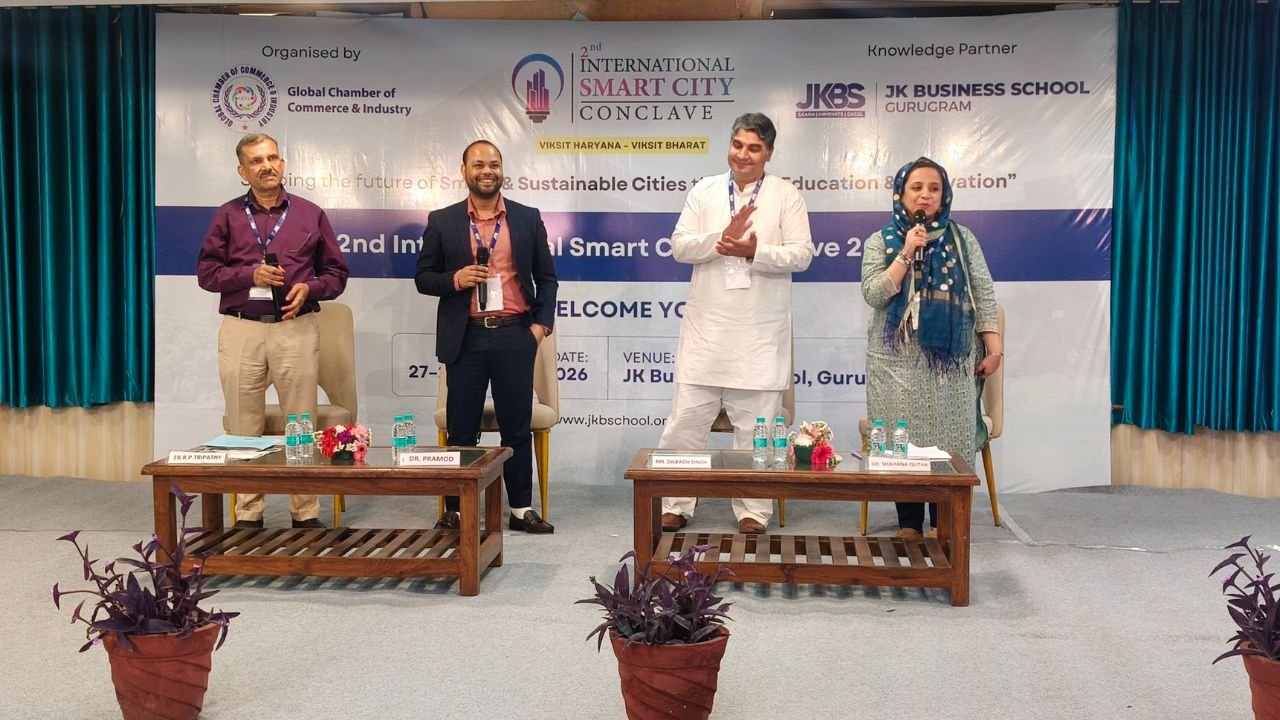
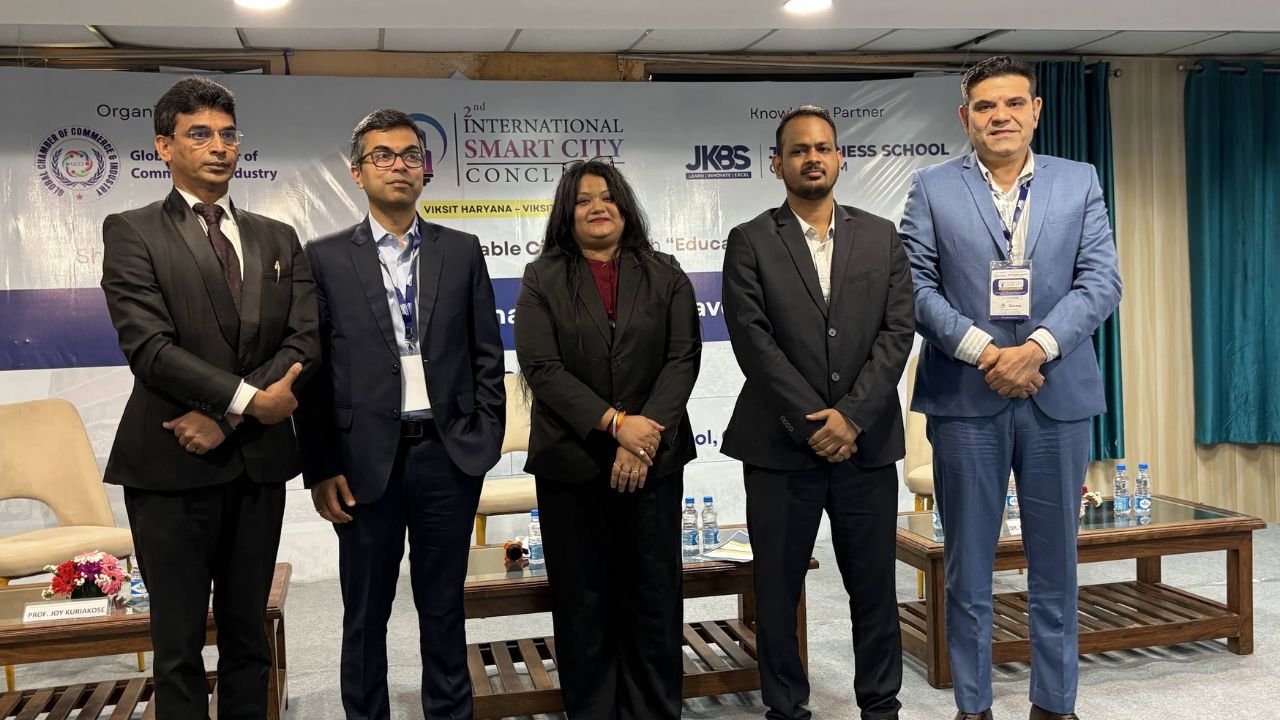
At JK Business School, students have opportunities to interact with industry leaders through conclaves, guest lectures, and corporate events, helping them build meaningful professional networks.
The Role of Soft Skills in Career Growth
Soft skills play a crucial role in determining long term career success.
While technical skills may help individuals secure their first job, soft skills often determine how far they progress in their careers.
Professionals who demonstrate leadership, communication, and adaptability are more likely to take on higher responsibilities and leadership roles.
Soft skills also contribute to:
- better workplace relationships
- improved decision making
- enhanced problem solving abilities
- greater professional confidence
Developing Soft Skills During Management Education
Soft skills are not developed overnight. They require continuous effort, practice, and self reflection.
Management education provides the ideal environment for developing these skills through structured activities and real world exposure.
At JK Business School, students develop soft skills through:
- classroom presentations
- group discussions
- industry interaction sessions
- internships and live projects
- student clubs and leadership activities
These experiences help students build confidence and prepare for professional challenges.
The JK Business School Approach
JK Business School, Gurugram emphasizes a holistic approach to education.
The focus is not only on academic excellence but also on developing well rounded individuals who can succeed in dynamic business environments.
The institution integrates:
- industry exposure
- experiential learning
- leadership development
- communication training
into its academic framework.
This approach ensures that students graduate with the skills required to excel in their careers and contribute meaningfully to organizations.
Soft skills are no longer optional for management graduates. They are essential for success in today’s business world.
From communication and leadership to adaptability and emotional intelligence, these skills shape how individuals interact with others and navigate professional challenges.
Management education plays a crucial role in developing these abilities by providing students with opportunities to practice, learn, and grow.
At JK Business School, Gurugram, the emphasis on soft skills ensures that students are not only academically strong but also professionally prepared to lead, collaborate, and succeed in a rapidly changing business environment.