In today’s competitive business environment, management education is evolving rapidly. While academic knowledge remains important, employers increasingly look for graduates who possess practical experience and a deep understanding of real business challenges.
This is where industry exposure becomes the backbone of MBA success. It bridges the gap between classroom learning and real world application, allowing students to develop practical skills that are essential for leadership roles in modern organizations.
MBA students who gain early exposure to the corporate environment develop stronger professional confidence, strategic thinking abilities, and problem solving skills. Institutions that integrate industry interaction into their curriculum help students become industry ready professionals.
At JK Business School, Gurugram, industry exposure is a fundamental part of management education. Through internships, corporate interaction, live projects, and mentorship programs, students gain insights into the real workings of the business world.
Understanding the Role of Industry Exposure in Management Education
Industry exposure refers to opportunities where students interact directly with businesses, professionals, and real organizational environments during their academic journey.
This exposure helps students understand how theories and frameworks taught in the classroom apply to practical business situations.
MBA programs that emphasize industry engagement allow students to:
- Observe real business processes
- Understand corporate culture
- Apply analytical frameworks to practical challenges
- Develop professional networks
- Learn directly from industry leaders
These experiences transform management education from purely academic learning into a comprehensive professional development journey.
Bridging the Gap Between Theory and Practice
Business education traditionally focuses on concepts such as marketing strategy, financial management, organizational behavior, and operations planning. While these concepts provide a strong foundation, they must be tested and applied in real business environments.
Industry exposure enables students to see how these theoretical frameworks operate within organizations.
For example, a marketing strategy discussed in a classroom case study becomes far more meaningful when students observe how companies implement campaigns, analyze customer data, and measure performance in real markets.
Similarly, finance concepts gain practical relevance when students understand how organizations make investment decisions, manage risk, and evaluate financial performance.
Through internships and corporate projects, students develop the ability to connect theory with real world business challenges.
Corporate Interaction and Guest Lectures
One of the most effective ways to provide industry exposure is through interaction with experienced professionals.
Guest lectures and leadership sessions allow students to learn directly from industry leaders who share insights from their professional journeys.
These interactions help students understand current industry trends, emerging technologies, and real challenges faced by organizations.
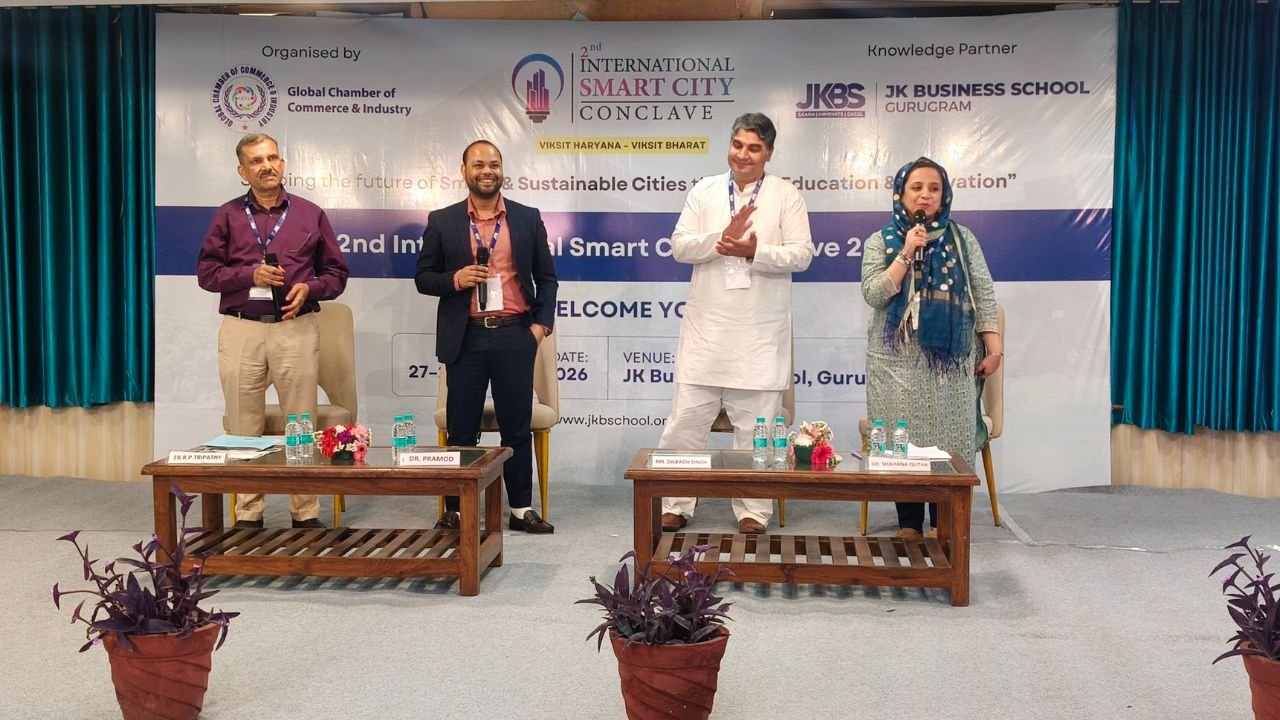
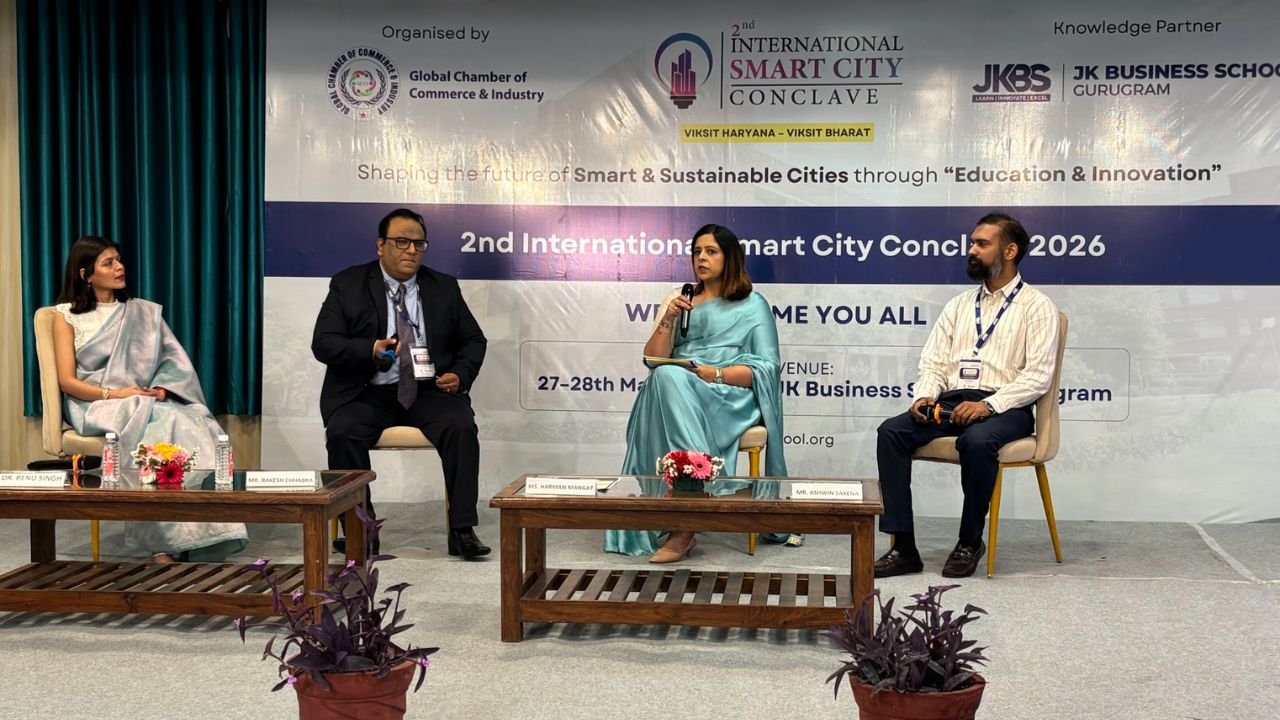
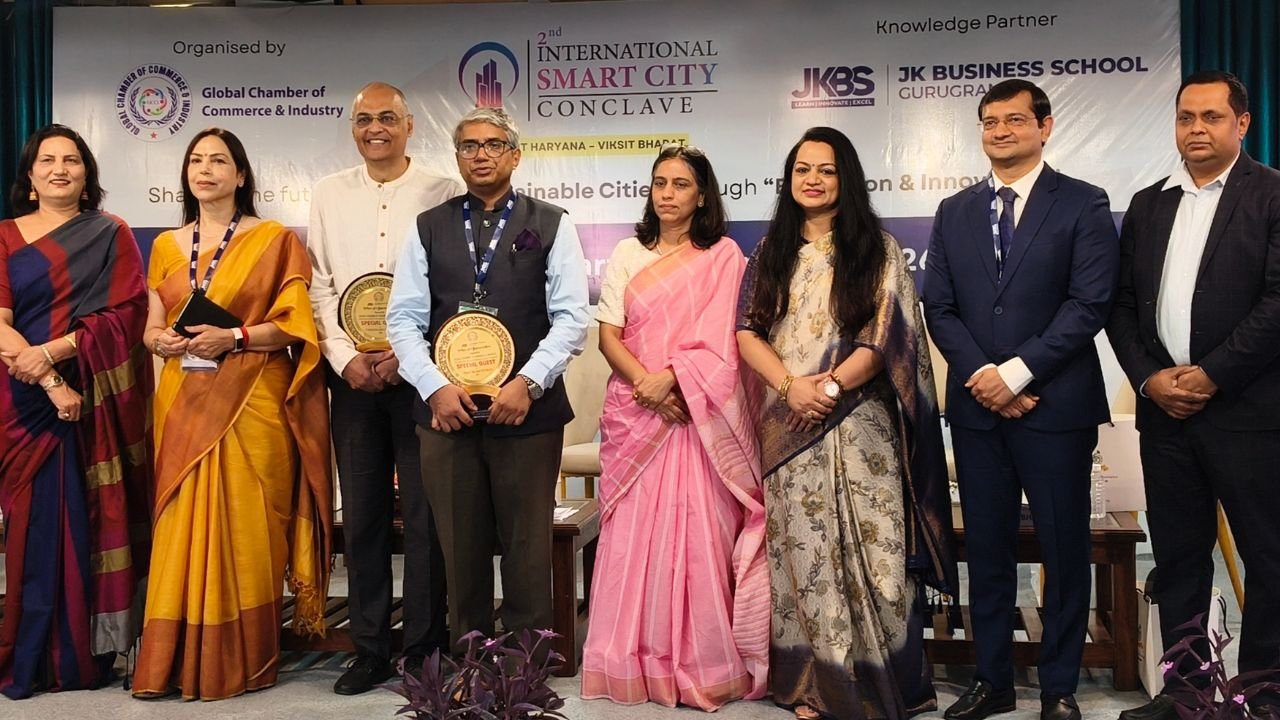
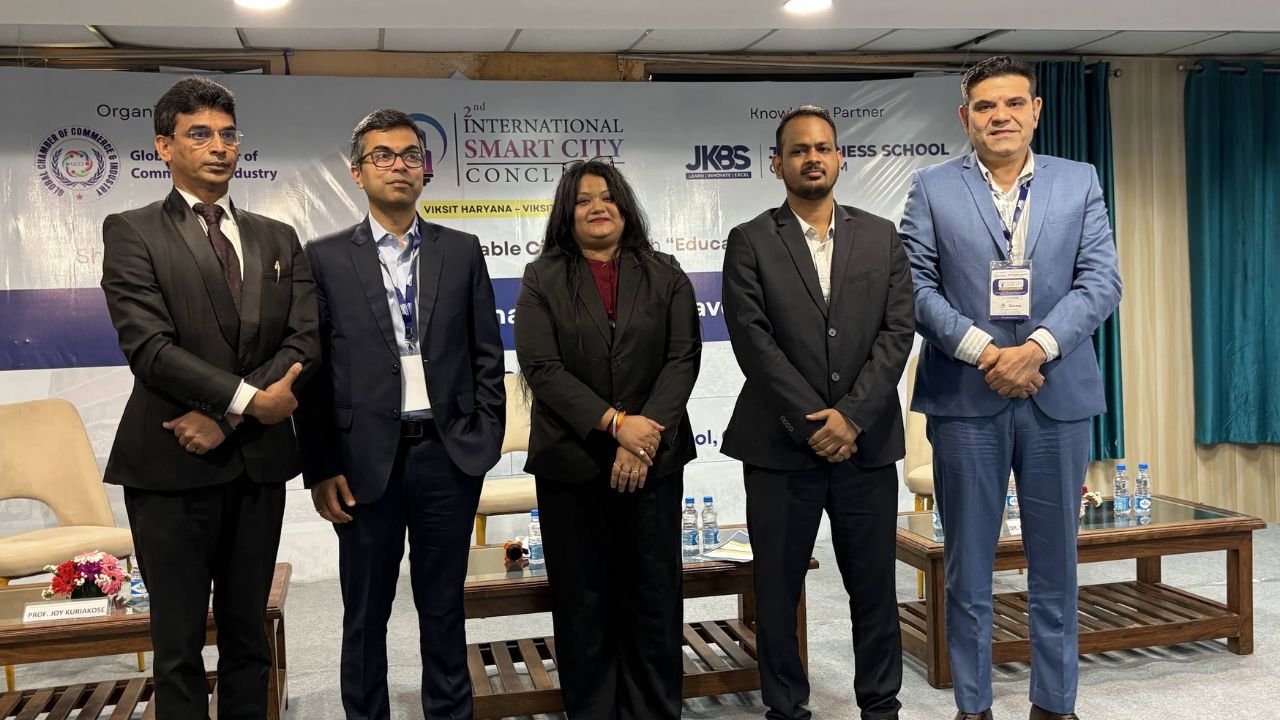
At JK Business School, Gurugram, industry leaders frequently engage with students through leadership talks, panel discussions, and corporate conclaves. These sessions provide valuable perspectives on how businesses operate in dynamic global markets.
Students gain exposure to different industries including finance, marketing, technology, consulting, and manufacturing.
The Importance of Internships in MBA Programs
Internships are one of the most powerful forms of industry exposure in management education.
During internships, students work within organizations and gain hands on experience in real business environments. This experience allows them to observe workplace dynamics, understand organizational processes, and contribute to real projects.
Internships help students develop several important skills:
- Professional communication
- Team collaboration
- Problem solving in real situations
- Time management and accountability
- Analytical thinking
Students also gain clarity about their career interests and industry preferences through internships.
Many companies use internship programs as a pipeline for future recruitment, making them an important stepping stone toward full time employment.
Students interested in building practical business skills can explore the PGDM program at JK Business School, Gurugram, which integrates internships and industry interaction into the learning process.
Live Projects and Experiential Learning
Live projects are another powerful tool for connecting management education with industry practice.
In live projects, students work on real business problems faced by organizations. They analyze data, develop strategies, and present solutions to industry professionals.
This approach provides a realistic simulation of professional consulting environments.
Live projects help students develop:
- Strategic thinking
- Data analysis skills
- Business problem solving abilities
- Professional presentation skills
Students learn how to handle ambiguity and develop solutions that align with business objectives.
Experiential learning methods such as case competitions, industry research assignments, and simulation exercises further enhance students’ understanding of business dynamics.
Building Professional Networks
Networking is an essential component of career success for MBA graduates.
Industry exposure provides opportunities for students to connect with corporate professionals, alumni, mentors, and recruiters.
These relationships often lead to mentorship opportunities, internships, and job placements.
Professional networks also help students gain insights into industry expectations and career pathways.
At JK Business School, the Corporate Resource Centre actively facilitates connections between students and industry professionals. Through recruitment drives, corporate interactions, and alumni engagement, students develop networks that support their long term career growth.
Understanding Corporate Culture and Workplace Expectations
One of the biggest challenges faced by fresh graduates entering the workforce is adapting to corporate culture.
Industry exposure helps students understand workplace expectations before they begin their careers.
Students learn about:
- Professional communication standards
- Workplace collaboration and teamwork
- Organizational hierarchies and decision making processes
- Time management and accountability
Understanding these aspects early allows students to transition smoothly into corporate environments.
Graduates who already have exposure to corporate culture often perform better during interviews and adapt more quickly when they join organizations.
Industry Exposure and Career Readiness
Employers today prefer candidates who demonstrate practical experience along with academic knowledge.
MBA graduates with strong industry exposure are better prepared to handle real workplace challenges. They understand how organizations operate and can contribute more effectively from the beginning of their careers.
Industry exposure helps students develop confidence and clarity regarding their professional goals.
It also allows them to build portfolios that showcase practical experience, which strengthens their resumes and improves their placement prospects.
Students can learn more about career development and industry engagement through the Corporate Resource Centre at JK Business School, which plays a key role in preparing students for successful corporate careers.
The Role of Business Schools in Creating Industry Ready Graduates
Management institutes play a critical role in preparing students for the demands of the modern corporate world.
Business schools that emphasize industry interaction create learning environments where students develop both academic knowledge and professional capabilities.
Institutions that integrate industry exposure into their programs typically focus on:
- Internship opportunities
- Industry projects
- Corporate guest lectures
- Leadership interaction sessions
- Mentorship programs
- Career development training
These initiatives help students develop a comprehensive understanding of business environments.
At JK Business School, Gurugram, management education combines academic rigor with practical exposure to industry challenges. This approach helps students build the skills and confidence required to succeed in competitive corporate environments.
Students interested in developing these capabilities can explore the PGDM program at JK Business School, which focuses on experiential learning and industry interaction.
Preparing Future Business Leaders
The future of business leadership requires professionals who understand both strategic concepts and practical business realities.
Industry exposure helps MBA students develop this balanced perspective.
Students who gain early exposure to corporate environments learn how to analyze business challenges, collaborate with teams, and develop solutions that align with organizational goals.
These experiences help shape future managers who can lead with confidence and make informed decisions in dynamic business environments.
Industry exposure plays a critical role in shaping the success of MBA graduates. It transforms management education from theoretical learning into practical professional development.
Through internships, corporate interaction, live projects, and networking opportunities, students gain valuable insights into real business environments.
Institutions that prioritize industry engagement help students develop the skills, confidence, and professional awareness needed for successful management careers.
At JK Business School, Gurugram, industry exposure forms a core part of the learning experience, ensuring that students graduate not only with knowledge but also with the practical capabilities required to thrive in modern organizations.