Choosing a business school is one of the most significant career decisions you will ever make. The right B-school shapes your skills, network and job prospects for decades. The wrong choice, on the other hand, can leave you with debt and limited opportunities. In 2026, with hundreds of institutions competing aggressively for admissions, it is more important than ever to separate marketing gloss from genuine quality.
This guide walks you through the ten most important factors every aspirant should evaluate before committing to a B-school, whether for an MBA, PGDM or specialised management programme.
1. Accreditation and Recognition
Accreditation is non-negotiable. For PGDM programmes, AICTE approval is mandatory. For MBA degrees, UGC recognition of the awarding university is essential. Without these, your degree may not be recognised by major employers, government bodies or international universities.
2. Placement Record and Corporate Tie-Ups
Look beyond the headline “highest package”. Ask for the average CTC, median CTC, placement percentage, and the list of recruiters. A B-school with a few sky-high offers but poor median placements is often a red flag. Strong corporate tie-ups, internship conversion rates and consistent recruiter visits over multiple years signal a healthy placement ecosystem.
3. Faculty Quality and Industry Exposure
Great faculty combine academic depth with industry experience. Check the percentage of PhDs, publications and corporate experience on the faculty panel. Institutions that also invite industry practitioners as guest faculty, adjunct professors or mentors bridge the classroom-boardroom gap far more effectively than those relying only on full-time academics.
4. Curriculum and Specialisations
Examine the curriculum closely. Does it include modern specialisations like Business Analytics, FinTech, Digital Marketing, Human Resource Analytics and Supply Chain Transformation? Is generative AI integrated into electives? Are case studies, simulations and live projects a regular part of learning? A 2026-ready curriculum looks very different from one frozen in 2015.
5. Infrastructure and Campus Life
World-class classrooms, digital libraries, analytics labs, hostels, sports facilities and co-curricular clubs all shape the learning experience. Visit the campus if possible or take a virtual tour. A vibrant, well-equipped campus accelerates peer learning and leadership development far beyond what brochures can capture.
6. Location Advantage
Location has a direct impact on internships, live projects, guest lectures and placements. Business schools in corporate hubs like Gurugram, Mumbai and Bengaluru offer unmatched proximity to Fortune 500 companies, startups and senior executives. Students in these cities often get informal industry exposure that complements formal learning.
7. Alumni Network
A strong, engaged alumni network is an underrated advantage. Alumni open doors for internships, full-time roles, business referrals and mentoring. Before joining any B-school, check LinkedIn to see where its alumni work, the seniority levels they have reached and whether they actively engage with current students.
8. Fees, Scholarships and Return on Investment
Evaluate fees in the context of expected placement outcomes. A slightly higher fee at an accredited, placement-strong B-school usually delivers better long-term ROI than a cheaper, unrecognised programme. Also, explore merit scholarships, need-based aid and education loan tie-ups with major banks.
9. Experiential and Global Learning Opportunities
Look for live industry projects, consulting internships, international immersion trips and exchange programmes. These experiences dramatically improve your resume and interview performance. In 2026, global exposure, even through short-term modules, is increasingly valued by recruiters building cross-border teams.
Related Read: What are the top PGDM colleges in Delhi NCR for management studies?
10. Student Support and Career Services
A dedicated career services team makes a measurable difference. Mock interviews, resume reviews, aptitude training, personality development sessions and industry mentorship turn bright students into confident professionals. Without this scaffolding, even talented students underperform in recruitment rounds.
Red Flags to Watch Out For
- No AICTE or UGC, is listed publicly.
- Vague placement statistics without recruiter names or salary breakdowns.
- Aggressive telemarketing but limited academic detail on the website.
- Faculty list with no photos, qualifications, or industry backgrounds.
- Unverifiable rankings from unknown magazines or websites.
Why JK Business School Stands Out
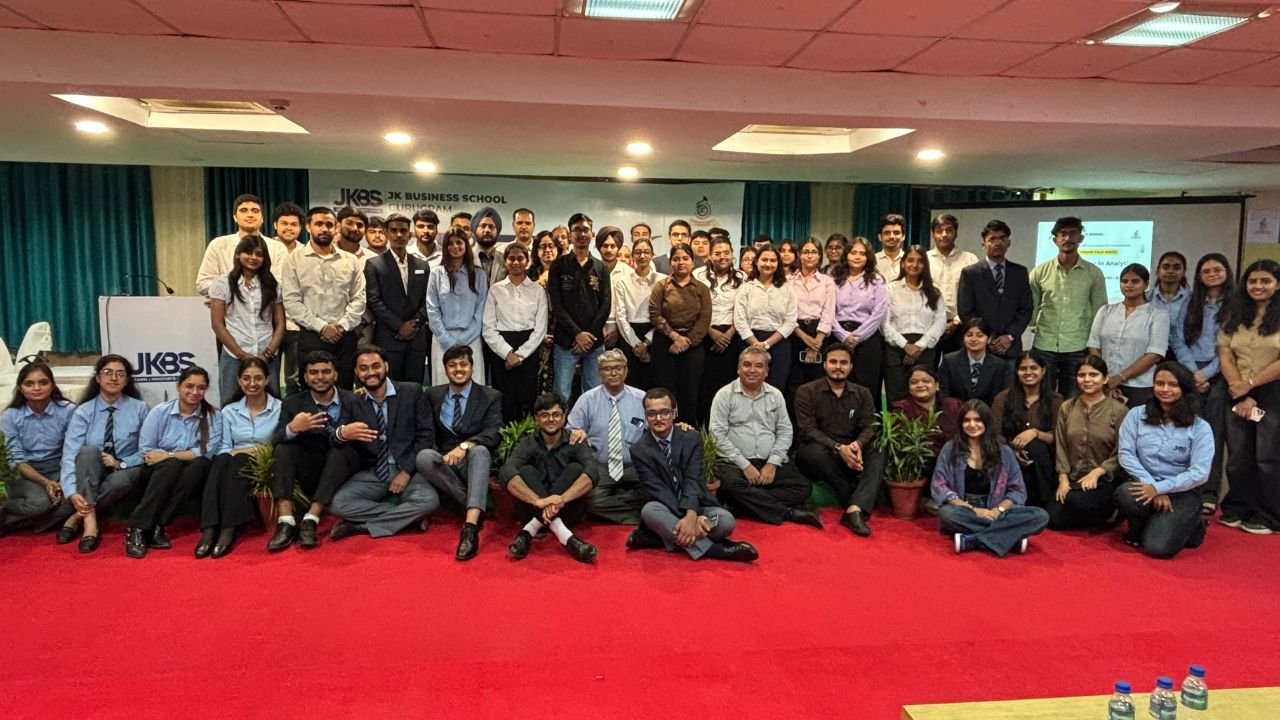
JK Business School (JKBS) in Gurugram checks every one of these boxes. Backed by the 141-year legacy of the JK Organisation, JKBS is AICTE-approved, offering PGDM programmes in General Management, Business Analytics, and Human Resource Management, along with BBA and FinTech tracks. Its Gurugram location, strong corporate partnerships, modern infrastructure, global immersion programmes, and active alumni network make it a reliable choice for serious management aspirants.
Ready to find the right B-school for your ambitions? Connect with JKBS admissions today and take the first step towards a future-ready management career.
Conclusion
Choosing a B-school is a long-term investment in your career, not a one-time decision. Accreditation, placements, faculty, curriculum, location, and alumni strength should all weigh more heavily than glossy brochures or paid rankings. Spend time visiting campuses, talking to alumni, and verifying every claim. When you pick a credible, industry-aligned institution, your management education becomes a launchpad that compounds in value year after year.