One of the most common dilemmas faced by management aspirants in India is choosing between a PGDM and an MBA. While both qualifications prepare you for leadership roles in business, they differ in structure, curriculum flexibility and industry alignment. In 2026, as the corporate world evolves rapidly with AI, analytics and digital transformation at its core, choosing the right programme has become more consequential than ever.
This guide breaks down the real differences between a PGDM (Post Graduate Diploma in Management) and an MBA (Master of Business Administration), so you can decide which path aligns best with your career goals, learning preferences, and industry aspirations.
Understanding the Difference: PGDM vs MBA
An MBA is a degree awarded by universities recognised by the UGC. A PGDM is a diploma offered by autonomous institutions approved by AICTE. While this may sound like a minor technical difference, it has major implications for how the programmes are designed, updated, and delivered.
PGDM institutions are not tied to a university syllabus, which allows them to update their curriculum every year to reflect the latest industry trends. MBAs, on the other hand, follow the affiliating university’s curriculum, which may be revised less frequently.
Key Differences Between PGDM and MBA
- Awarding Body: MBA is a degree from a UGC-recognised university; PGDM is a diploma from an AICTE-approved autonomous institute.
- Curriculum Flexibility: PGDM curriculum is updated annually to stay current; MBA curriculum typically follows a fixed university structure.
- Industry Orientation: PGDM programmes focus heavily on live projects, case studies, and corporate exposure; MBAs often emphasise academic rigour.
- Duration: Both are typically two years, though PGDM programmes sometimes include optional certifications or global immersion modules.
- Recognition: Both are widely accepted by recruiters if awarded by an accredited institution; PGDM requires AICTE approval to hold credibility.
- Fees: PGDM fees are often higher due to infrastructure, industry tie-ups, and experiential learning components.
Curriculum Flexibility and Industry Alignment
In 2026, employers expect graduates to be job-ready from day one. PGDM institutions have a clear edge here because they can embed emerging topics like generative AI, ESG reporting, digital supply chains and FinTech directly into the curriculum without waiting for university approval. This agility is why many recruiters, especially in consulting, analytics and technology, actively prefer PGDM graduates.
Recognition and Accreditation
A common myth is that only an MBA degree is recognised for government jobs. In reality, a PGDM from an AICTE-approved institute is considered equivalent to an MBA for almost all employment purposes, including public sector opportunities. The key is accreditation. An unrecognised diploma from an unapproved institute holds little value, regardless of branding.
Placements and Career Outcomes
PGDM graduates from top institutions typically enjoy strong placement outcomes, with recruiters from BFSI, consulting, FMCG, analytics and technology visiting campuses regularly. Because PGDM programmes are usually anchored in industry-heavy cities like Gurugram, Mumbai and Bengaluru, students benefit from proximity to corporate headquarters, live mentorship and internship pipelines that translate into pre-placement offers.
Which One Should You Choose in 2026?
If your priority is a dynamic, industry-integrated curriculum with strong placement potential and modern specialisations, a PGDM from an AICTE-approved institution is often the better choice. If you plan to pursue further academic research, a PhD, or specific government roles that require a formal MBA degree, a university MBA may be more appropriate.
Related Read: Which is the best PGDM course in Delhi NCR for career growth?
JK Business School: A PGDM Programme Built for Today
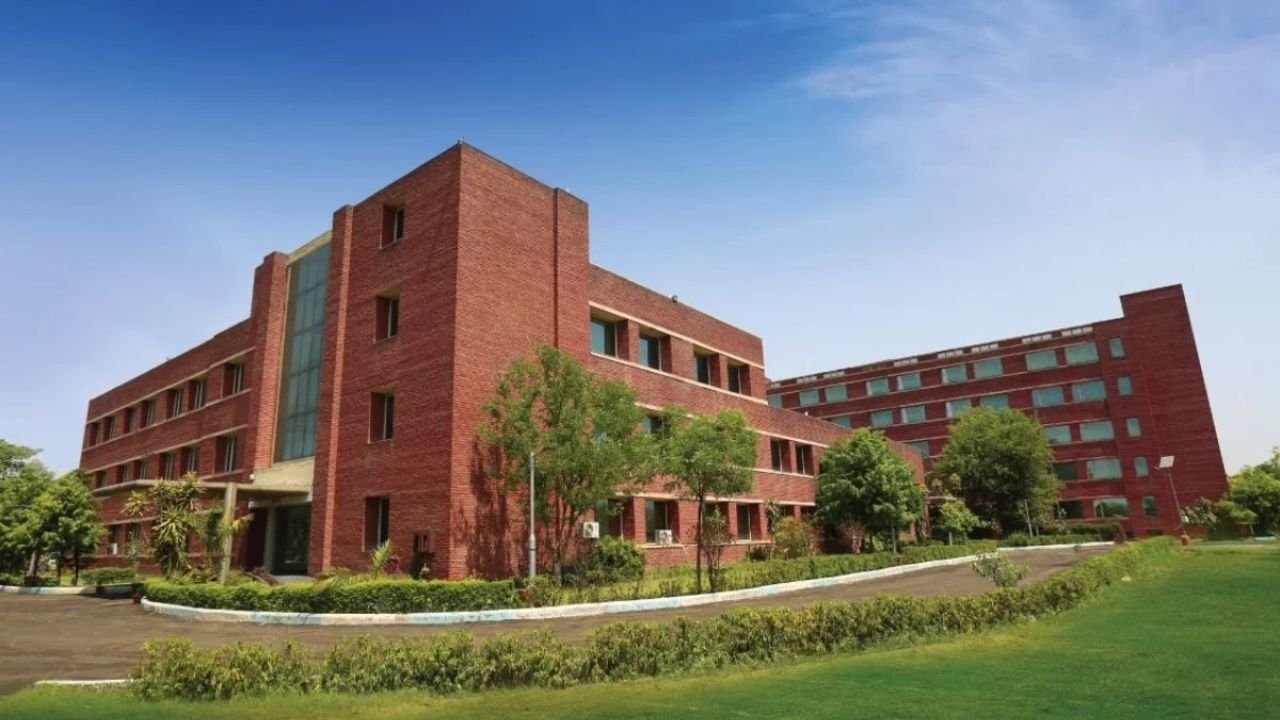
JK Business School (JKBS) in Gurugram is one of the most respected PGDM institutions in Delhi NCR. Backed by the 141-year legacy of the JK Organisation, JKBS offers AICTE-approved PGDM programmes in General Management, Business Analytics, and Human Resource Management, along with specialised undergraduate programmes like BBA in Entrepreneurship & Leadership and FinTech-focused tracks. Students benefit from industry mentorship, global academic partnerships, live projects, and a strong placement ecosystem powered by Gurugram’s corporate advantage.
Ready to take the next step? Connect with JKBS admissions today and discover which programme best fits your career ambitions for 2026 and beyond.
Conclusion
Choosing between a PGDM and an MBA in 2026 ultimately comes down to your career goals, preferred learning style, and the industries you want to enter. A PGDM offers faster curriculum updates, stronger industry alignment, and often better placement outcomes, while an MBA offers the credibility of a university degree. In either case, the accreditation and reputation of the institution matter far more than the label. Choose an accredited, placement-focused school that invests in your real-world readiness, and your management education will pay dividends for decades.